
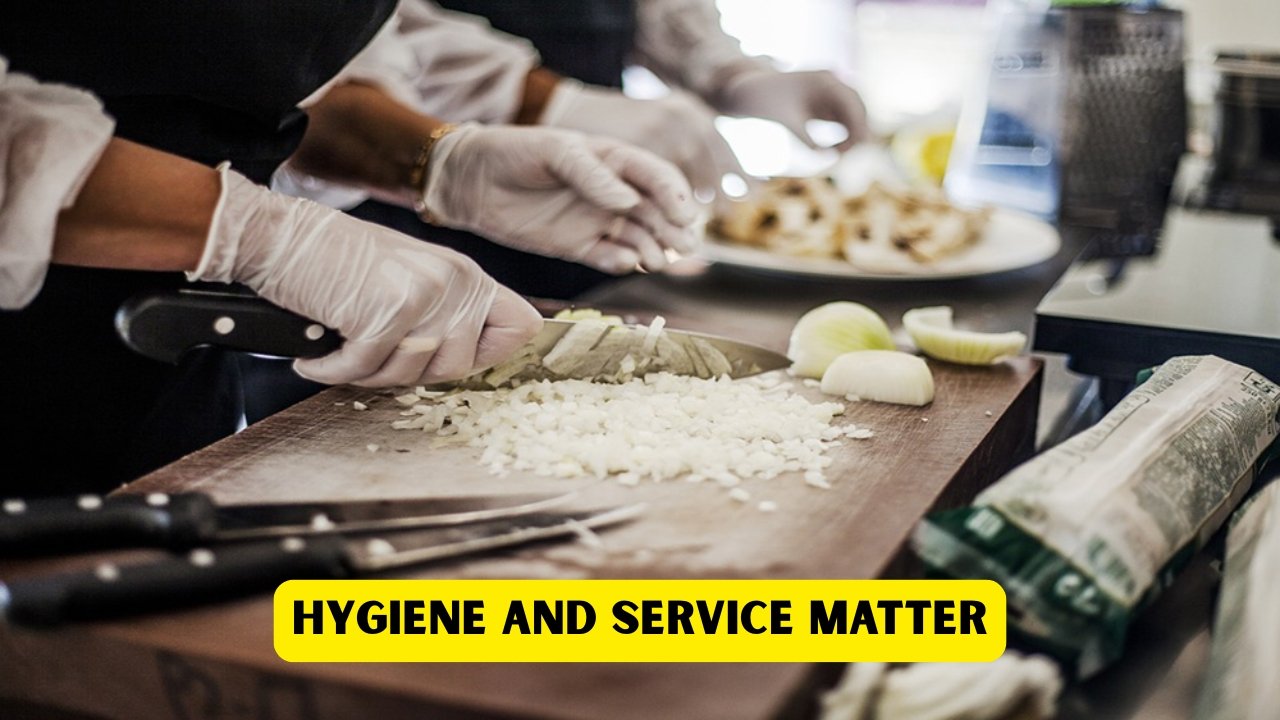
In today’s fast-evolving dining landscape, hygiene and service have become critical factors shaping customer decisions, especially in India where food culture is deeply rooted. With increasing awareness about health, safety, and customer experience, diners now expect more than just good taste. Clean environments, well-trained staff, and prompt service are no longer optional—they define a restaurant’s reputation. Across India, food establishments are adapting to stricter hygiene standards and service expectations to meet growing customer demands, making these elements more important than ever for long-term success.
Restaurant Hygiene Standards in India for Safer Dining Experiences
Restaurant hygiene standards in India have significantly evolved due to rising health awareness and regulations from authorities like FSSAI. Indian diners are now more cautious about cleanliness in kitchens, dining areas, and food handling processes. Proper sanitation practices, such as regular surface cleaning, staff hygiene protocols, and safe food storage, are essential to prevent contamination. Restaurants across India that maintain high hygiene standards not only comply with government rules but also build trust among customers. This trust directly influences repeat visits and positive reviews, making hygiene a powerful tool for business growth in the competitive Indian food industry.
Importance of Quality Customer Service for Indian Diners Today
Quality customer service has become a key differentiator for restaurants serving Indian customers. Today’s diners expect quick responses, polite staff, and personalized experiences. From taking orders efficiently to resolving complaints professionally, service quality plays a major role in shaping customer satisfaction. Indian food lovers are increasingly sharing their experiences online, making service a visible aspect of a restaurant’s brand image. Restaurants that invest in staff training, communication skills, and customer engagement strategies often outperform competitors. In India’s growing hospitality sector, exceptional service is not just appreciated—it is expected.
| Factor | Impact on Restaurants |
|---|---|
| Clean Kitchen Practices | Reduces food contamination risk |
| Staff Hygiene | Improves customer trust |
| Prompt Service | Enhances customer satisfaction |
| Customer Feedback Handling | Builds brand reputation |
| Regular Inspections | Ensures compliance with FSSAI norms |
Why Food Safety and Service Excellence Matter Across Indian Cities
Food safety and service excellence are becoming essential across Indian cities as competition in the restaurant industry intensifies. Urban consumers are more informed and prefer establishments that prioritize both hygiene and efficient service. Cities like Delhi, Mumbai, and Bangalore have seen a surge in restaurants focusing on transparent kitchen practices and customer-centric approaches. Ensuring safe food handling and delivering a pleasant dining experience helps businesses stand out in crowded markets. Across India, restaurants that combine strict hygiene with excellent service are more likely to retain customers and sustain long-term growth.
Customer Expectations from Restaurants in Modern India
Customer expectations from restaurants in modern India have shifted dramatically in recent years. Diners now look for clean surroundings, courteous staff, and timely service alongside delicious food. With the rise of food delivery apps and online reviews, even small lapses in hygiene or service can impact a restaurant’s reputation. Indian customers also value transparency, such as visible cleanliness practices and staff professionalism. Restaurants that understand and adapt to these expectations are better positioned to thrive. Meeting these standards not only ensures customer satisfaction but also strengthens brand loyalty in India’s dynamic food industry.
Frequently Asked Questions (FAQs)
1. Why is hygiene important in Indian restaurants?
Hygiene prevents foodborne illnesses and builds customer trust in restaurants.
2. How does service quality affect restaurant success in India?
Good service improves customer satisfaction, leading to repeat visits and positive reviews.
3. What role does FSSAI play in restaurant hygiene?
FSSAI sets food safety standards and ensures restaurants follow hygiene regulations.
4. Can poor hygiene impact a restaurant’s reputation?
Yes, poor hygiene can lead to negative reviews and loss of customers quickly.
