
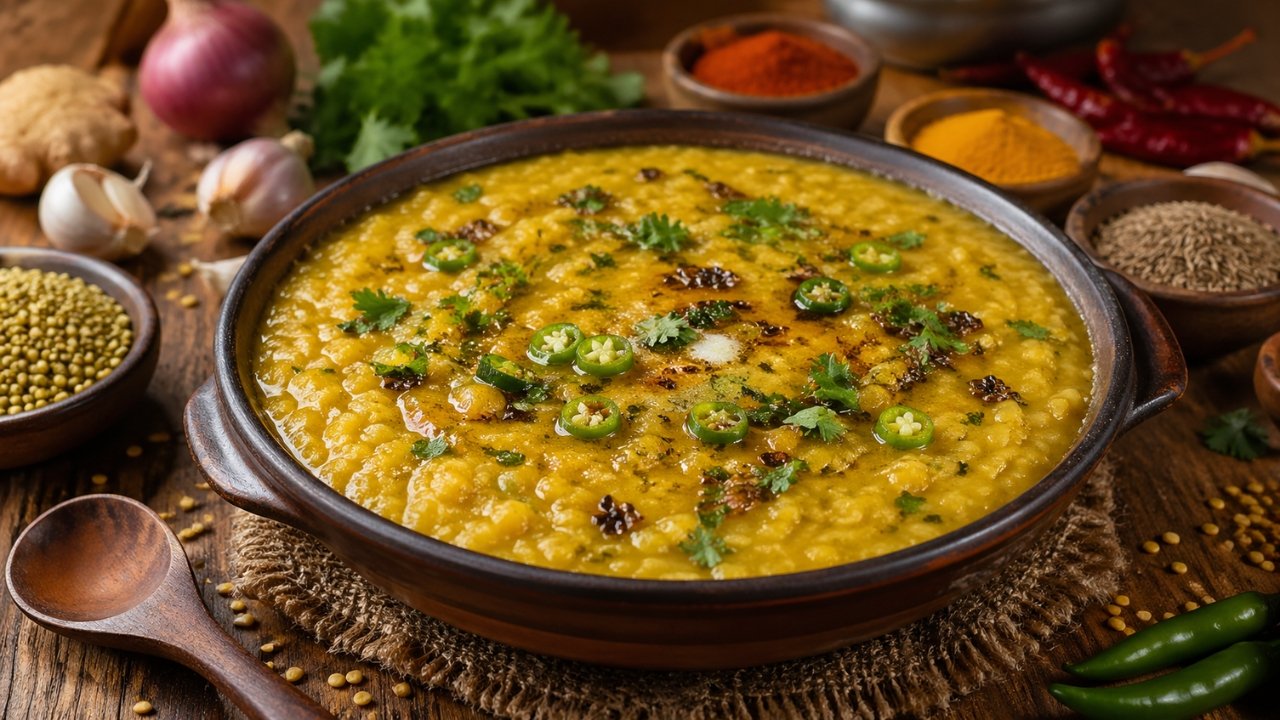
There is a quiet elegance in a well-made bowl of moong dal. It does not ask for attention with grandeur; instead, it wins you over with fragrance, warmth, and the gentle comfort of lentils cooked until soft but still lively. This New 2026 version respects the familiar Indian kitchen classic while refining the details that often separate an ordinary dal from one that feels deeply nourishing and chef-worthy.
Moong dal is naturally delicate, with a mellow sweetness and a creamy texture that needs very little embellishment when handled correctly. The real craft lies in rinsing it well, cooking it with restraint, tempering the spices at the right moment, and finishing with brightness. These six easy and crucial tips are woven through the recipe so the dal tastes clean, balanced, aromatic, and beautifully layered.
This is the kind of dish I would serve on a calm weekday evening with steamed rice and a spoonful of ghee, or as part of a more generous Indian meal with flatbreads, pickles, and seasonal vegetables. It is simple, yes, but simple food deserves precise care.
Recipe Information
- Recipe Name: New 2026 Moong Dal: 6 Easy and Crucial Tips
- Description: A refined, comforting yellow moong dal simmered with turmeric, ginger, green chili, and finished with a fragrant cumin-garlic tempering.
- Servings: 4 servings
- Preparation Time: 15 minutes
- Cooking Time: 25 minutes
- Total Time: 40 minutes
- Difficulty: Easy
- Recipe Category: Main Course, Lentil Dish
- Cuisine: Indian
- Resting Time: 10 minutes for soaking the dal, optional but recommended
Ingredients
For the Moong Dal
- 1 cup split yellow moong dal
- 3 cups water, plus more for rinsing
- 1 small tomato, finely chopped
- 1 teaspoon fresh ginger, finely grated
- 1 green chili, slit lengthwise
- 1/2 teaspoon ground turmeric
- 3/4 teaspoon fine sea salt, or to taste
- 1/4 teaspoon asafoetida, optional
- 1 teaspoon ghee or neutral oil
For the Tempering
- 1 tablespoon ghee
- 1 teaspoon cumin seeds
- 3 garlic cloves, thinly sliced
- 1 dried red chili, broken in half
- 1/2 teaspoon Kashmiri red chili powder
- 1/4 teaspoon crushed coriander seeds
For Finishing
- 1 tablespoon fresh coriander leaves, chopped
- 1 teaspoon fresh lemon juice
- 1/2 teaspoon ghee, optional, for serving
Kitchen Tools
- Medium saucepan or pressure cooker
- Fine-mesh sieve
- Small tempering pan or skillet
- Wooden spoon
- Ladle
- Measuring cups and spoons
Preparation
Rinsing and Preparing the Dal
- Tip 1: Rinse until the water runs clear. Place the moong dal in a sieve or bowl and rinse it several times under cool water. This removes excess starch and gives the finished dal a cleaner, lighter texture. The water should shift from cloudy to nearly clear before you begin cooking.
- Tip 2: Rest briefly for better texture. Soak the rinsed dal in fresh water for 10 minutes if time allows. This small pause helps the lentils cook evenly without becoming pasty. Drain before adding to the pot.
Cooking the Moong Dal
- Add the drained dal to a medium saucepan with 3 cups water, turmeric, grated ginger, slit green chili, tomato, salt, asafoetida, and 1 teaspoon ghee or oil. Stir gently, then bring to a soft boil over medium heat.
- Tip 3: Skim gently, do not rush the simmer. As the dal begins to boil, a light foam may rise to the surface. Skim it away with a spoon for a cleaner taste. Reduce the heat and let the dal simmer for 20 to 22 minutes, stirring occasionally so it cooks evenly.
- Texture check: The dal should be soft enough to collapse when pressed between your fingers, but it should not look gluey. For a rustic finish, leave it slightly textured. For a silkier bowl, whisk it lightly with a spoon or ladle until creamy.
- Adjust the consistency with a splash of hot water if needed. Moong dal thickens as it sits, so it is better to keep it slightly looser than you think. Taste and correct the salt before tempering.
Making the Tempering
- Warm 1 tablespoon ghee in a small tempering pan over medium heat. Add the cumin seeds and allow them to sizzle until fragrant. They should darken slightly but not burn.
- Tip 4: Let the spices bloom in fat. Add the sliced garlic and dried red chili. Cook until the garlic turns pale golden at the edges. This stage gives the dal its deep, savory aroma, so keep the heat controlled and watch closely.
- Turn off the heat, then stir in the Kashmiri chili powder and crushed coriander seeds. Adding the chili powder off the heat preserves its color and prevents bitterness.
Finishing the Dal
- Pour the hot tempering over the cooked dal. It should hiss softly as it touches the surface, releasing the aroma of cumin, garlic, and ghee. Stir once or twice, leaving some of the tempering visible for a beautiful finish.
- Tip 5: Finish with freshness. Add chopped coriander and a small squeeze of lemon juice just before serving. The lemon is not meant to make the dal sour; it simply brightens the lentils and sharpens the spices.
- Tip 6: Rest for five minutes before serving. Though not included in the total time, a brief pause after tempering allows the flavors to settle and round out. The dal becomes more harmonious, with the spices gently perfuming the lentils.
Serving Suggestions
Serve this moong dal hot, ladled into warm bowls so the surface stays glossy and fragrant. A final thread of ghee on top gives it a restaurant-style finish, especially when paired with steamed basmati rice or soft phulka. For a more complete plate, add jeera rice, cucumber raita, roasted papad, and a sharp mango or lime pickle.
Presentation matters even with humble dishes. Keep a little tempering visible on the surface, scatter fresh coriander lightly, and serve lemon wedges on the side rather than squeezing too much into the pot. This lets each guest adjust the brightness to their liking.
It is equally satisfying at lunch, dinner, or as a restorative meal after travel or a long day. The beauty of moong dal is that it feels both light and complete, comforting without being heavy.
Chef Tips
Choose the Right Dal
Use split yellow moong dal that looks fresh, pale golden, and even in size. Older dal can take longer to soften and may cook unevenly. Store it in an airtight jar away from humidity and strong-smelling spices.
Control the Consistency
The ideal texture is creamy but pourable. If the dal becomes too thick, loosen it with hot water rather than cold water. Hot water maintains the cooking rhythm and keeps the texture smooth.
Temper with Patience
A good tempering should smell nutty, warm, and inviting. Burnt cumin or garlic can dominate the entire pot, so keep the pan close and remove it from heat the moment the garlic edges turn golden. This is one of the most crucial details in making moong dal taste polished.
Balance Heat and Brightness
Green chili gives fresh heat, dried red chili adds depth, and lemon gives lift. None should overpower the lentils. Moong dal is delicate, so the seasoning should frame its natural flavor rather than conceal it.
Storage and Make-Ahead Tips
Store leftover dal in an airtight container in the refrigerator for up to 3 days. It will thicken as it cools, so reheat it gently with a splash of water until it returns to a soft, spoonable consistency. Stir occasionally while reheating to prevent sticking at the bottom of the pan.
You can cook the dal base ahead and prepare the tempering fresh just before serving. This gives the dish the best aroma and a newly finished quality. If packing for lunch, keep the dal slightly thinner than usual because it continues to absorb liquid as it rests.
Freezing is possible, though the texture may become slightly more blended after thawing. Freeze in small portions for up to one month, then thaw overnight in the refrigerator and reheat slowly.
Additional Information
Moong dal has long held a special place in Indian cooking because it is gentle, versatile, and deeply nourishing. Across regions, it appears in many forms: thin and soupy with rice, thicker with rotis, lightly spiced for everyday meals, or enriched with ghee for a more festive table. Its simplicity is part of its sophistication.
This New 2026 approach is not about changing the soul of the dish. It is about refining the small decisions that matter: clean rinsing, controlled simmering, thoughtful tempering, and a fresh finish. Those details bring clarity to the flavor and elegance to the texture.
At its best, moong dal is a lesson in restraint. A handful of lentils, a few aromatics, and a spoonful of hot ghee become something generous and memorable when treated with care. That is why this dish continues to belong in both everyday kitchens and refined culinary conversations.
