
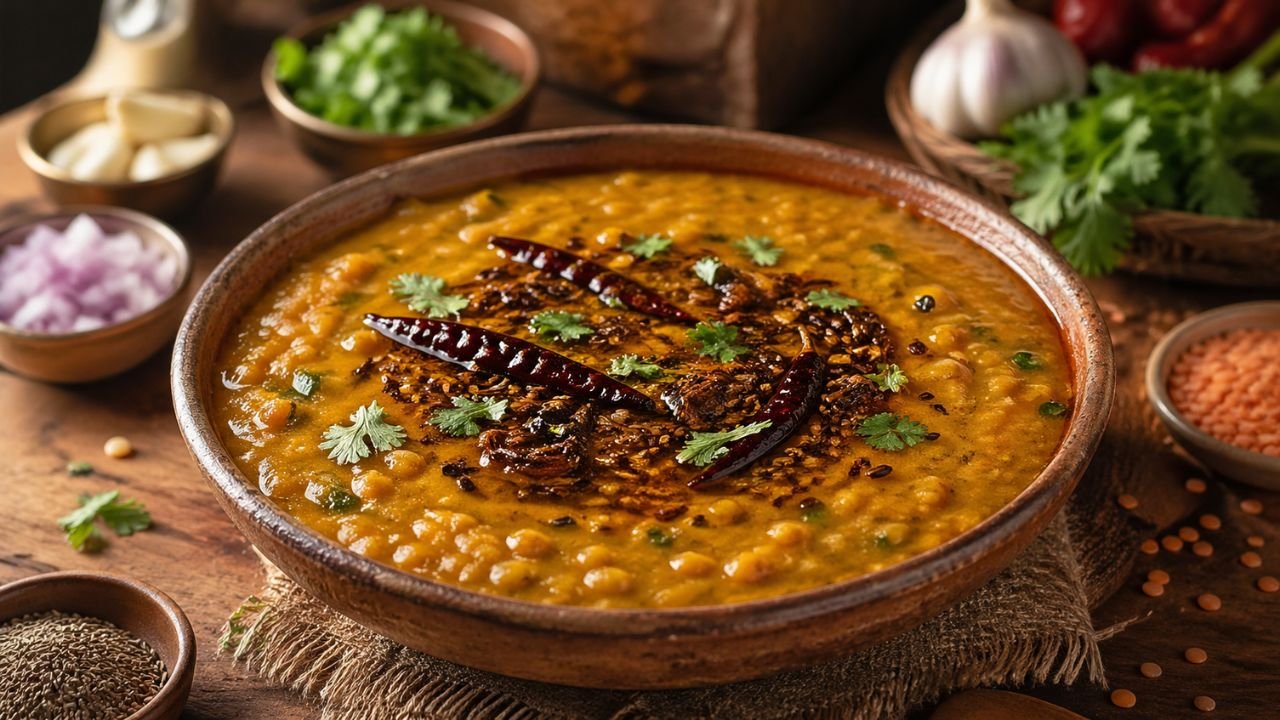
Dal tadka is one of those dishes that proves simple ingredients can create extraordinary flavor when handled with care. Made with lentils, aromatics, spices, and a final sizzling tempering poured over the top, this North Indian favorite is comforting enough for an everyday meal and impressive enough for guests. The beauty of a good dal tadka lies in its balance: the lentils should be creamy but not pasty, the seasoning should be deep without being heavy, and the final tadka should bring a burst of smoky, buttery, spiced aroma that makes the whole dish feel restaurant-worthy.
This dal tadka recipe focuses on the kind of flavor many people associate with their favorite dhaba or restaurant bowl. The secret is not a long list of complicated ingredients. It is technique. From choosing the right combination of lentils to browning the onions properly and adding the tempering at the right moment, a few small choices can transform homemade dal from decent to unforgettable. In this guide, you will learn five practical tricks that help create that rich, layered taste at home while still keeping the recipe approachable for a weeknight kitchen.
The method below uses toor dal as the base, with a little moong dal for extra softness and body. Tomatoes add brightness, ginger and garlic create warmth, and ghee gives the tadka its signature richness. The finished dish pairs beautifully with jeera rice, plain basmati rice, roti, or even crusty bread when you want something soothing and filling. Whether you are making dal tadka for the first time or trying to improve your regular version, this recipe is designed to deliver consistent, deeply satisfying results.
Recipe Information
This recipe makes a classic restaurant-style dal tadka with a creamy texture, bright yellow-golden color, and a fragrant finishing tempering. It is mildly spiced, but you can easily adjust the heat level to taste. The preparation time is 20 minutes, the cooking time is 35 minutes, and the total time is 55 minutes. The recipe yields 4 servings, making it ideal for a family meal or for meal prep. Dal tadka belongs to the main course category and is part of North Indian cuisine, though versions of seasoned lentils are beloved across India in different forms.
For the best result, think of this recipe in two stages. First, you cook the lentils until soft and creamy, then you season them with an onion-tomato masala. Second, you finish the dish with a hot tadka of ghee, garlic, chilies, cumin, and spices. That second stage is what creates the dramatic aroma and polished restaurant-style finish. You can prepare the dal base ahead of time and do the final tempering just before serving if you want maximum freshness and impact.
- Preparation Time: 20 minutes
- Cooking Time: 35 minutes
- Total Time: 55 minutes
- Yield: 4 servings
- Recipe Category: Main Course
- Recipe Cuisine: North Indian
Ingredients
- 3/4 cup toor dal, rinsed well
- 1/4 cup moong dal, rinsed well
- 3 cups water, plus more as needed
- 1/4 teaspoon turmeric powder
- 3/4 teaspoon salt, or to taste
- 2 tablespoons ghee
- 1 tablespoon oil
- 1 teaspoon cumin seeds
- 1 medium onion, finely chopped
- 1 tablespoon ginger, finely chopped or grated
- 1 tablespoon garlic, finely chopped
- 2 green chilies, slit or finely chopped
- 2 medium tomatoes, finely chopped
- 1/2 teaspoon red chili powder
- 1/2 teaspoon coriander powder
- 1/4 teaspoon garam masala
- 1/4 teaspoon kasuri methi, lightly crushed
- 1 tablespoon chopped fresh coriander leaves, plus more for garnish
- 1 tablespoon butter, optional, for extra richness
For the final tadka, keep these ingredients measured and ready before you begin heating the pan, because tempering happens fast and the spices can burn quickly if you pause too long.
- 1 1/2 tablespoons ghee
- 1 teaspoon cumin seeds
- 4 to 5 garlic cloves, thinly sliced
- 1 to 2 dried red chilies
- 1 pinch asafoetida
- 1/2 teaspoon Kashmiri red chili powder
- 1 teaspoon lemon juice, optional
Preparation
Start by rinsing the toor dal and moong dal several times until the water runs mostly clear. This removes excess starch and any dust, helping the cooked lentils taste cleaner and feel less heavy. Add the rinsed dals to a pressure cooker or deep pot with 3 cups of water, turmeric, and a little salt. If you are using a pressure cooker, cook for about 4 to 5 whistles or until the lentils are fully soft. If you are cooking in a regular pot, simmer until the lentils break down easily when pressed, adding hot water as needed.
Once the lentils are cooked, whisk or mash them lightly. Do not puree them completely. A good dal tadka should have a creamy body but still retain some texture. If the dal looks too thick, loosen it with a little hot water. If it looks too thin, simmer it for a few extra minutes later after the masala is added. This step matters because restaurant-style dal is usually smooth enough to coat rice beautifully without turning watery.
In a separate pan, heat 2 tablespoons ghee with 1 tablespoon oil. The combination gives you the flavor of ghee and the stability of oil. Add cumin seeds and let them crackle. Then add the chopped onion and cook it patiently over medium heat until it turns deep golden brown. This is one of the biggest flavor-building moments in the recipe. Many home cooks stop when the onion is just soft, but restaurant dal gets much of its savoriness from onions cooked a shade darker. Stir often so they caramelize evenly without burning.
Add the ginger, garlic, and green chilies. Sauté for 1 to 2 minutes until the raw smell fades. Next, add the chopped tomatoes, red chili powder, and coriander powder. Cook this mixture until the tomatoes soften completely and the fat starts separating at the edges. That separation tells you the masala has concentrated and mellowed. Stir in garam masala and crushed kasuri methi near the end so their aroma stays bright. If you like a richer finish, add the butter at this stage and let it melt into the masala.
Pour the cooked dal into the pan with the masala and mix thoroughly. Add salt to taste. Simmer for 8 to 10 minutes over low heat so the lentils and masala become one cohesive dish rather than tasting like separate components. Stir occasionally, especially if the dal is thick, to prevent sticking. Finish the base with chopped fresh coriander. At this point, the dal should taste balanced and complete, but not yet dramatic. That final transformation comes from the hot tempering.
For the tadka, heat 1 1/2 tablespoons ghee in a small pan. Add cumin seeds and let them splutter. Add the sliced garlic and fry over medium to low heat until it turns light golden and fragrant. Add the dried red chilies and a pinch of asafoetida, then immediately switch off the heat. Sprinkle in the Kashmiri red chili powder off the heat so it blooms in the residual warmth without turning bitter. Pour this sizzling tadka over the hot dal right away. Cover the pot for 1 minute to trap the aroma, then uncover, stir lightly if desired, and finish with more coriander and a few drops of lemon juice if you want a brighter edge.
Serve the dal tadka hot with jeera rice, steamed basmati rice, phulka, naan, or tandoori roti. A side of sliced onion, lemon wedges, and roasted papad makes the meal feel even more complete.
Tips
1. Use two lentils for better texture. The combination of toor dal and moong dal is one of the easiest ways to create a fuller mouthfeel. Toor dal gives classic flavor and body, while moong dal softens beautifully and adds creaminess. You still get the familiar character of dal tadka, but with a smoother finish that feels closer to what restaurants serve.
2. Brown the onions properly. This is one of the five most important tricks for restaurant-style flavor. Deep golden onions provide sweetness, depth, and a savory backbone. Pale onions make the dal taste flat, while burnt onions make it bitter. Aim for a rich brown color and take your time. That extra few minutes changes the entire dish.
3. Cook the tomato masala until the fat separates. Another common issue with homemade dal is undercooked masala. If the tomatoes are not cooked down enough, the finished dish can taste sharp or unfinished. Let the masala reduce until it thickens and the ghee or oil peeks out around the edges. That is when the raw tomato flavor has mellowed and the spices have integrated.
4. Always use ghee for the final tadka. You can cook the base with a mix of oil and ghee, but the last tempering should ideally be done in ghee. It carries the aroma of cumin, garlic, and chili better than oil and gives the dal that unmistakable restaurant scent the moment it reaches the table. If you want a slightly smoky finish, let the garlic turn just golden before taking the pan off the heat.
5. Add the chili powder off the heat. This small move protects the color and flavor of the spice. Kashmiri red chili powder gives the tadka a beautiful red hue and a gentle warmth, but if it hits very hot fat over direct heat, it can darken too much or become bitter. Switching off the heat first lets it bloom safely.
6. Simmer after combining. Do not rush from cooked lentils and masala straight to serving. Give the dal a few minutes to simmer after mixing everything together. This allows the lentils to absorb the masala and gives the texture time to settle. The result is rounder, deeper flavor.
7. Keep the consistency loose but not watery. Dal thickens as it sits, especially after cooling. When hot, it should flow easily from the ladle while still looking creamy. If you are serving it with rice, a slightly looser consistency is ideal. If serving with roti, you may prefer it a touch thicker.
8. Crush kasuri methi between your palms. This releases more aroma and prevents big flakes from floating on the surface. Use it sparingly because too much can dominate the dish. A small pinch gives a subtle restaurant-style note that many people recognize but cannot quite identify.
9. Finish just before serving. If possible, do the final tadka moments before the dal goes to the table. Fresh tempering is one of the easiest ways to make even a simple dal feel special, because the aroma is at its peak right away.
Variations
Dal tadka is flexible, and once you understand the method, you can adapt it to your taste or pantry. For a more robust version, use only toor dal and let it cook until very soft. For a lighter everyday bowl, increase the moong dal slightly and reduce the ghee. If you enjoy smoky flavors, you can use the charcoal dhungar method by briefly placing a small bowl in the cooked dal, adding a hot charcoal piece, pouring a few drops of ghee on it, and covering the pot for a minute or two. This creates a subtle smoky aroma often associated with restaurant cooking.
You can also change the heat profile. Use more green chilies for a fresher, sharper spice, or add more dried red chilies in the tadka for a deeper warmth. Some cooks like a touch of smoked paprika when Kashmiri chili powder is unavailable, though the flavor will be slightly different. If you want a richer finish for guests, add a little butter at the end and garnish with a swirl of ghee before serving.
For extra nutrition and texture, stir in a handful of spinach near the end of cooking or add finely chopped bottle gourd while boiling the lentils. A tomato-forward version can be made by increasing the tomatoes slightly and finishing with lemon juice, while a milder version can reduce tomato and emphasize ginger, garlic, and cumin. If you love garlic, double the sliced garlic in the final tadka and let some pieces turn slightly more golden for a stronger aroma.
This recipe is naturally vegetarian and can easily be made suitable for a vegan diet by replacing ghee and butter with oil or a neutral vegan butter alternative. The flavor will be different, but the dish will still be satisfying if you focus on browning the onions well and seasoning carefully.
Conclusion
Dal tadka may be humble at heart, but when prepared thoughtfully, it becomes one of the most satisfying dishes in any home kitchen. The creamy lentils, well-cooked masala, and aromatic ghee tempering create layers of flavor that feel much more complex than the ingredient list suggests. The five core tricks in this recipe are simple: combine lentils for texture, brown the onions well, cook the masala fully, use ghee for the final tadka, and bloom the chili powder off the heat. Together, they make a noticeable difference.
Once you make this version a few times, you will start to see how small adjustments affect the final bowl. That is the joy of dal. It is forgiving, adaptable, and deeply comforting, yet it also rewards attention to detail. Serve it with rice for a classic meal, pair it with roti for a cozy dinner, or make it part of a larger Indian spread. However you enjoy it, this dal tadka recipe brings restaurant-style flavor into your home kitchen in a practical, repeatable way.
